
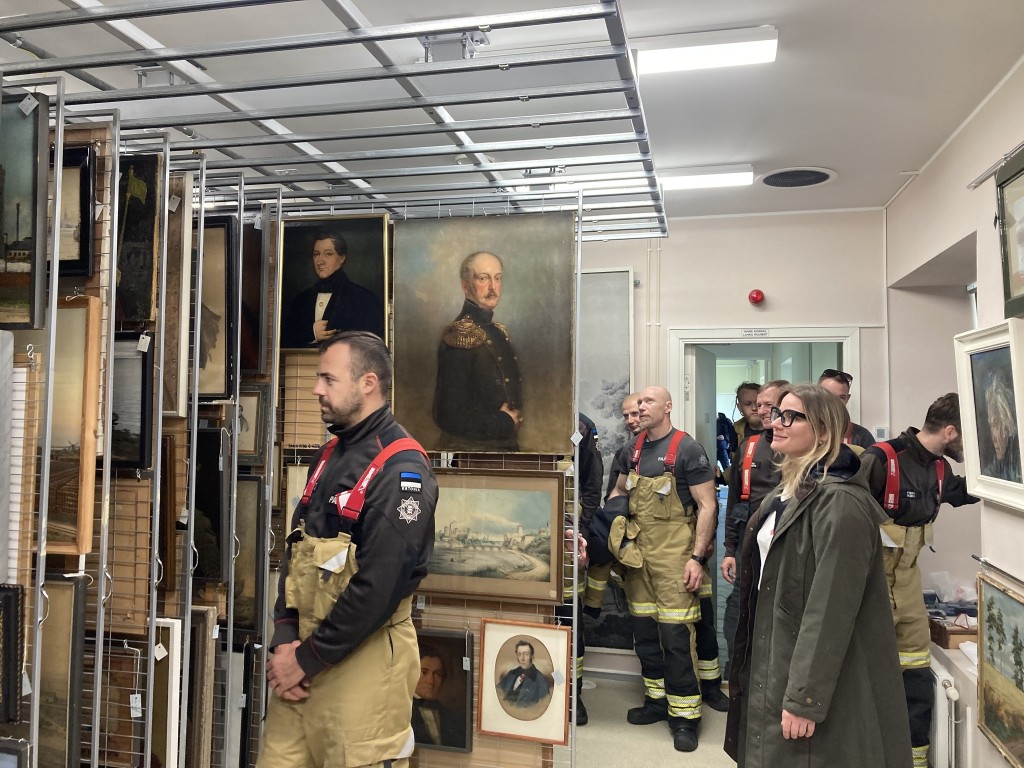
“Cultural heritage is part of our identity and national resilience. Recent years have shown how important it is to build up crisis resilience and preparedness for unexpected situations within the field of heritage – ensuring that our cultural memory and stories are preserved for future generations,” said Merilin Piipuu, Deputy Secretary General for Cultural Heritage at the Ministry of Culture.
Between 2026 and 2030, grants amounting to 5,996,000 euros will be used to develop systemic preparedness for the protection of cultural heritage and to improve crisis management capacity. The aspects covered by the grants include the preparation of crisis plans and risk analyses in the field of cultural heritage, the creation of evacuation capacities for priority cultural assets, the digitisation of cultural heritage, the testing of storage solutions for museum objects, and the organisation of training courses and international cooperation seminars.
The final activities will be agreed in the autumn, when the programme operator and donors sign the programme contract. The project by the Ministry of Culture serves as a part of the Crisis Resilience Programme operated by the Ministry of the Interior.
Norway and the European Economic Area contribute to the reduction of economic and social disparities in the European Economic Area and to the strengthening of bilateral relations between donor and recipient countries. In the past, the grants from the European Economic Area and Norway have helped restore and develop Estonian manor schools and aided in the restoration of heritage conservation areas of historic town centres.

